Interlock Acoustic Fencing
Interlock Acoustic Fencing offers seamless installation, exceptional durability, and noise reduction, ideal for industrial, commercial, and residential applications.

Accredited
Gold Member
Worksafe
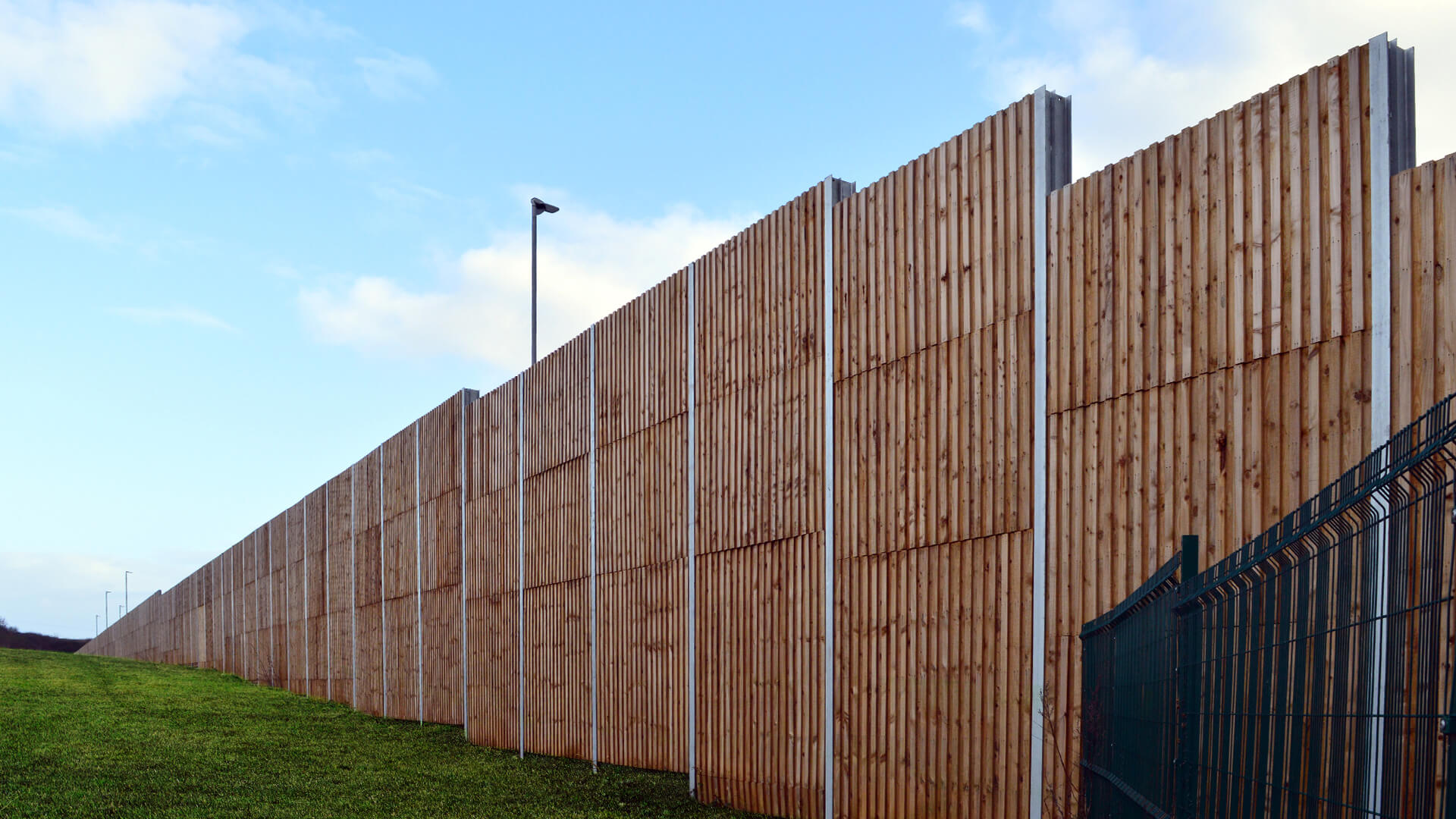
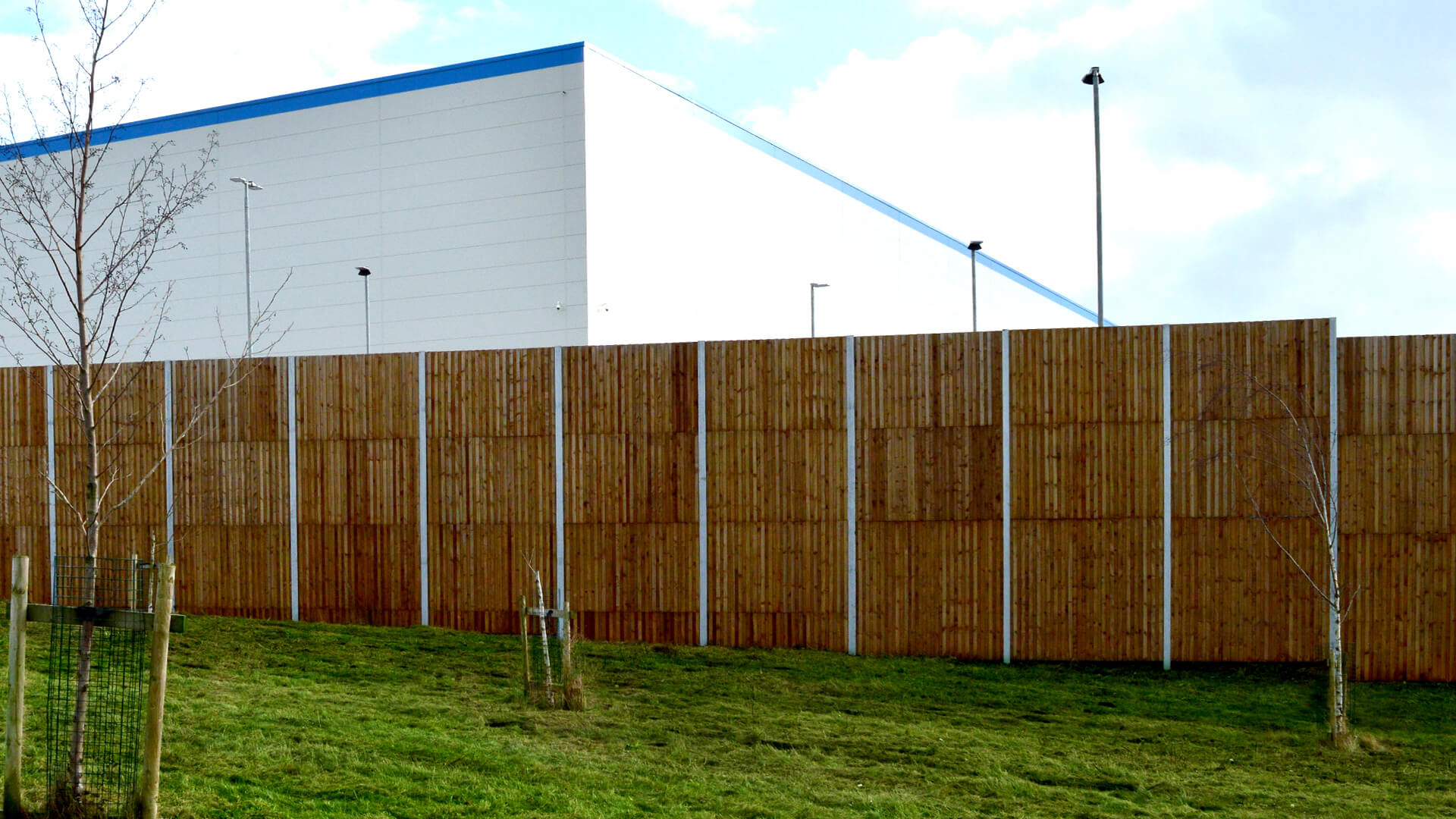
Used for large-scale noise control where durability and performance are essential, including Motorways, Railways, Industrial Sites, Commercial Developments, and Residential Areas. Its reflective panels deflect sound effectively while providing a strong, low-maintenance, and visually appealing perimeter solution.
Reflective Acoustic Fencing is a noise control barrier designed to reflect sound waves away from a source area, reducing noise pollution on the quieter side of the fence. Unlike absorptive acoustic barriers that absorb sound, reflective fencing bounces noise back toward the source or deflects it upward, creating a quieter environment for residential, commercial, or public spaces. This type of fencing is commonly used along highways, railways, industrial facilities, and urban developments to comply with noise reduction standards.
Reflective Acoustic Fencing offers a reliable and cost-effective solution for managing noise pollution. Its durable and low-maintenance design makes it an excellent choice for long-term applications in transportation, industrial, and residential settings. However, careful planning is required to ensure reflected sound does not negatively impact other areas. For projects requiring straightforward noise control with aesthetic versatility, Reflective Acoustic Fencing is a top choice.
Reflective Acoustic Fencing is typically used in the sectors listed below:


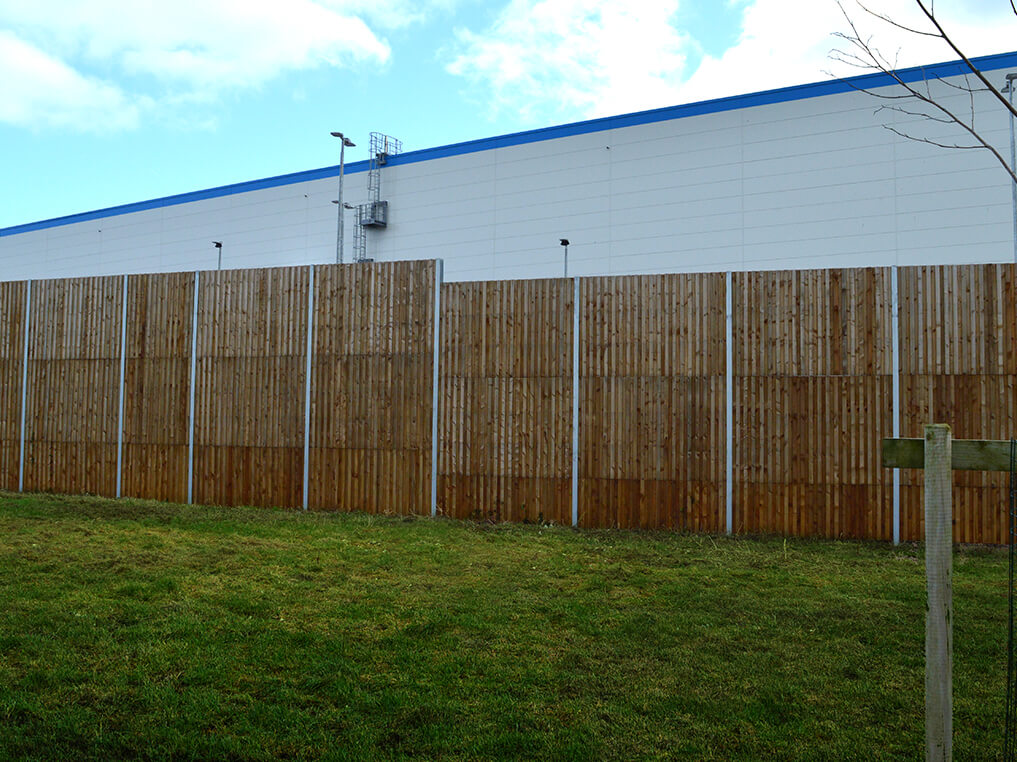
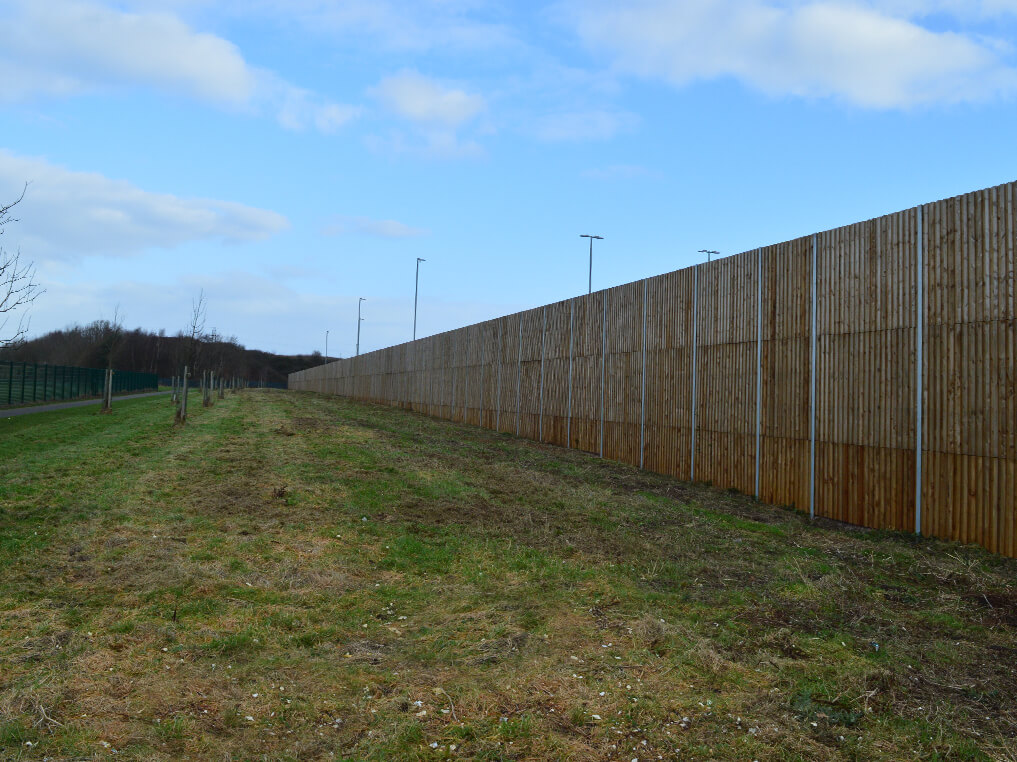
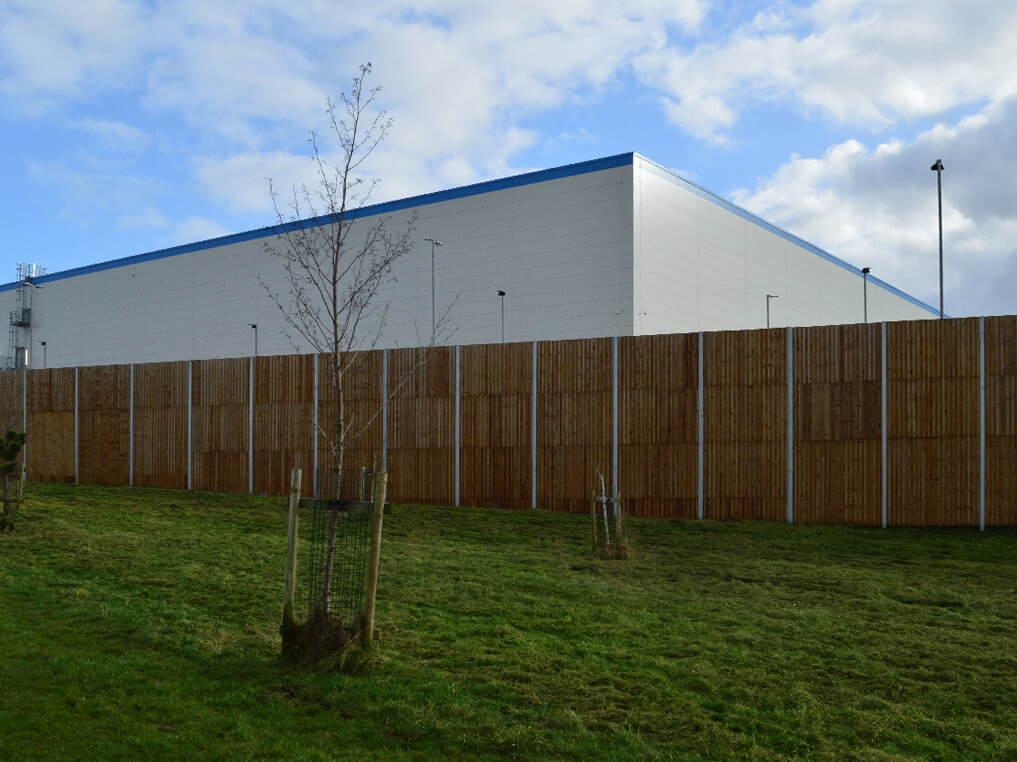


Here’s a breakdown of Reflective Acoustic Fencing, including all essential details, specifications, and pros and cons.
You may have questions about our services or this product. We’ve provided answers to many common queries here, but if you need more information, simply request a call back from one of our experts. They’ll be happy to assist you and address all your concerns over the phone.
It is used in areas requiring effective noise control, such as:
• Highways and motorways.
• Railways and train stations.
• Industrial zones.
• Residential developments near noisy infrastructure.
• Public spaces like parks and schools.
Reflective fencing bounces sound waves back toward the source or redirects them upward, reducing noise levels on the quieter side.
Yes, it can be tailored in terms of height, finish, colour, and material to suit site-specific requirements and aesthetics.
With proper materials and maintenance, it can last 20–30 years, depending on environmental factors.
While it can be made from sustainable materials, the dense and heavy construction of reflective fencing often has a higher environmental impact.
If you would like to book a consultation or discuss your project in person, please complete this form and we will call you back promptly to discuss your requirements.
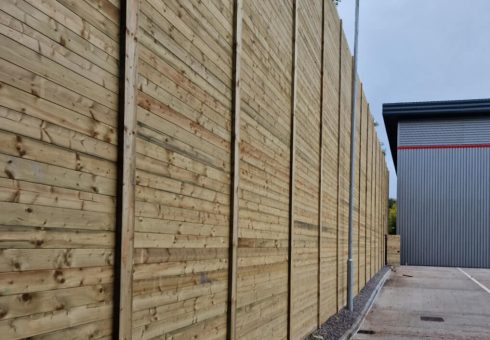
Interlock Acoustic Fencing offers seamless installation, exceptional durability, and noise reduction, ideal for industrial, commercial, and residential applications.
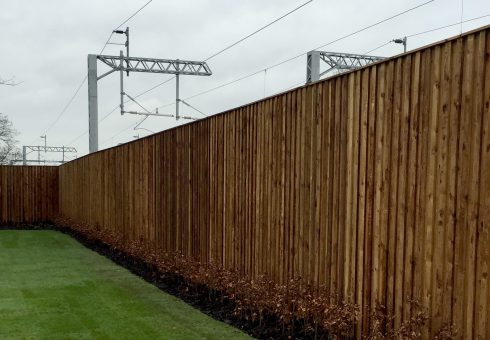
Absorptive Acoustic Fencing minimises noise by absorbing sound waves, creating quieter environments for residential, commercial, and industrial applications.






Sign up to our newsletter for exclusive news about new and updated products. We only send emails when we have something important to say that may benefit you. Unsubscribe anytime.